


TL;DR: Clear, structured briefs, focused feedback, a simple framework, and working with graphic design subscription services can make requesting multiple ad variations quick and easy.
When you think you finally nailed that one perfect ad, then you realize you don’t know if it’s working or not. For many seasoned business owners and marketers, testing is the key to crafting ads that deliver the best results. And now that this is what you’re set out to do, there seems to be confusion when you ask your designers for “more versions.” Whichever way you outsource graphic design services, this is how to request ad variations without confusing your designers.
Why Designers Get Confused by Ad Variation Requests
At first, you might think, “What’s so complicated about requesting ad variations?” It may sound simple, but without structure, it can quickly become chaotic. Designers need to clarify everything to avoid wasting everyone’s time and efforts, not to mention inconsistent results.
- When requests are too broad: The instruction “make a few versions” can leave designers second-guessing. They are vague and often result in random revisions.
- Too many variables at once: If you choose to change every element of your ad at the same time—headline, layout, visuals, colors, and CTA—it would be impossible to measure what actually performs.
- Missing context equals more guesswork: When your designers are in the dark about your campaign goals, audience, or platform, they will be forced to guess. This means slow delivery and weak results.
Solve Your Ad Testing Dilemma for Good
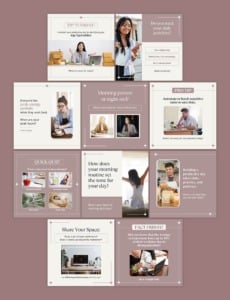
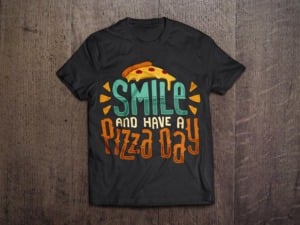
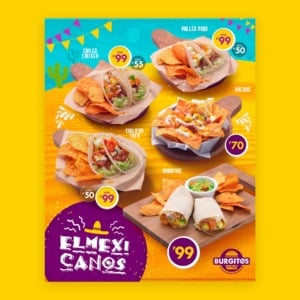
Get all the ad testing graphics you need with Penji
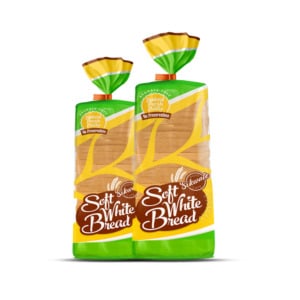
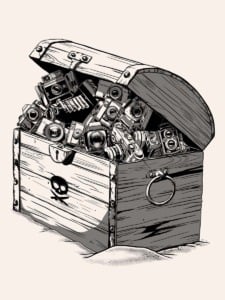
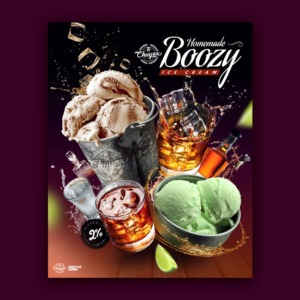
Start with a Clear Testing Goal
To make your ad variation work, you have to tie them down to a clear objective. Before requesting multiple variations, decide what you want to test so your graphic design service knows exactly where to focus.
Decide What You Want to Test
Your variations should be built around specific elements. Common areas to test are as follows:
- Messaging and headlines: is your direct offer outperforming a storytelling hook?
- Visual styles: lifestyle images vs. product-centric shots.
- Calls to action: “Buy Now” vs. “Learn More.”
- Promotional offers: Bundles, discounts, or free shipping.
- Audience-focused creative: Customizing your visuals for different demographics or channels.
Keep Variations Focused
Changing one element at a time is the best route to take. If you adjust too many variables, it will be impossible to know what’s driving performance. Organize your requests like “same layout, but change headline” or “use the same image, but test the CTA.” This allows for sharper feedback and results that are easier to measure.
Use a Simple Framework for Ad Variations
Set up a simple framework for your ad variations rather than requesting random versions. This allows your graphic design subscription service to have a roadmap and make your testing more productive.
Version A: Your Baseline Ad
Begin with your original concept. This will be your control version. You will compare your every other variation against this baseline to measure its impact.
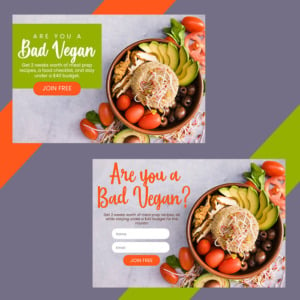
Version B: Alternative Messaging
Try a different headline or value proposition. A small edit to the wording can change how the audience responds.
Version C: Alternative Visual Direction
Swap images, layout, or design treatment. This will show you whether lifestyle photos, product shots, or bold graphics drive the most engagement.
Version D: Audience-Centric Variation
Customize your creatives to a specific customer segment. For instance, an ad may focus on affordability while another highlights premium quality. This is why many businesses work with graphic design subscription services or design-as-a-service. These allow you to request multiple audience-focused versions at no extra cost.
How Do Organized Requests Help
When you have a simple framework for your requests, the process becomes smoother flowing:
- Easier comparisons: you know what you’re testing.
- Faster production: your graphic design service will work with clear instructions.
- More useful insights: the results you get will reveal which element truly drives performance.
For many design-as-a-service providers, organized requests are the backbone, and for good reasons. They ensure that every variation has a purpose.
Create a Detailed Brief Before You Request Variations
Next, create a project brief to set your designer up for success. If you want your graphic design service to give you its best work, give it the right information. Tell them what you want the ad to achieve, provide key assets such as brand guidelines, approved copy, and the like to ensure consistency and avoid delays.
Explain to your designers what success looks like. Tell them you’ll measure results to help them design with a purpose. In addition, complete briefs result in reduced revisions.
Don’t Forget to Give Feedback
If you want to keep your project moving, give feedback. Make them clear and consolidated by collecting internal notes. Specific guidance on messaging, visuals, or layout enables designers to deliver better, faster results.
Manage Your Ad Variations
When your business grows, so do your campaigns. You will then be handling more ads, which equates to more ad variations, and they will become more complex. This means you need to build repeatable creative systems that maintain consistency. Use templates, approved brand assets, and standardized ad formats to keep consistency.
Another crucial factor is keeping communication organized. You can centralize requests and feedback in one place to prevent confusion. Also, version tracking helps you and your team know which ad is the baseline and which are the variants.
How Graphic Design Services Support Testing
Today’s marketing demands a steady stream of creative assets. You’ll need plenty of social media graphics, illustrations, email designs, landing pages, and many others. This alone would cost you a ton of money and resources. This is why many businesses use graphic design subscription services and design-as-a-service platforms.
Most of these offer unlimited graphic design services that allow them to get all these assets, plus variations of them. It also lets them get ongoing design support without having to hire and pay high agency retainer fees. This allows them to grow without the complexity. Thus, scaling campaigns becomes less about chasing resources and more about testing ideas quickly and confidently.
Final Thoughts
Requesting multiple ad variations should be as simple as it sounds. You need clear objectives, structured briefs, and prioritized feedback to make your testing productive. And to make it more efficient, outsourcing your graphic design to graphic design subscription services or design-as-a-service platforms can provide all the testing you need at a fraction of the cost.
Watch Penji‘s quick demo video here to learn how you can test without worrying about hiring, tight schedules, or overhead costs. Work with Penji by sending your first design request through this link.
FAQs
These are subscription plans that allow businesses to send as many design requests and revisions for a fixed monthly fee. You no longer have to pay per hour or per project, you get access to ongoing design support.
This is the subscription-based model that lets businesses get access to professional designers without hiring in-house.
While you can choose to hire freelancers, work with agencies, or build an in-house design team, most business owners and marketers find graphic design subscription services the best way to outsource their design needs. This includes design-as-a-service platforms like Penji.
About the author

Celeste Zosimo
Celeste is a former traditional animator and now an SEO content writer specializing in graphic design and marketing topics. When she's not writing or ranking her articles, she's being bossed around by her cat and two dogs.